



Mbappé is leaving Nike and signs a 10-year deal as he becomes a shareholder in On Running.
Last Friday, Kylian Mbappé made headlines by signing a 10-year deal with On, ending his partnership with Nike that started when he was only eight years old.
With the Swiss shoe company set to enter the football market in 2027, they stated that Mbappé "will be at the heart of On's football journey," as he additionally joins the brand as a product developer and shareholder. This move is reminiscent of On's collaboration with Roger Federer back in 2019.
It's a glimpse into an interesting shift in the way brands recruit athletes to break into new markets and win credibility. As the consumer market gets more saturated, brands are moving away from traditional athlete endorsements. Instead, they're trying to gain access into the athlete's ecosystem, becoming part of their story and earning a place in their community. This approach highlights the importance of ownership, collaboration and most importantly, storytelling.
Takeaway
Mbappé's switch to On teaches us that your personal story is your greatest asset and the foundation of any successful partnership. So keep sharing it, because someday a brand might reach out, searching for someone just like you.
A practical tip for getting ownership on a more applicable scale is to request a personal "discount code" from your partners. You can share this with your audience and earn a commission. This approach is particularly effective with brands that sell consumer goods online.
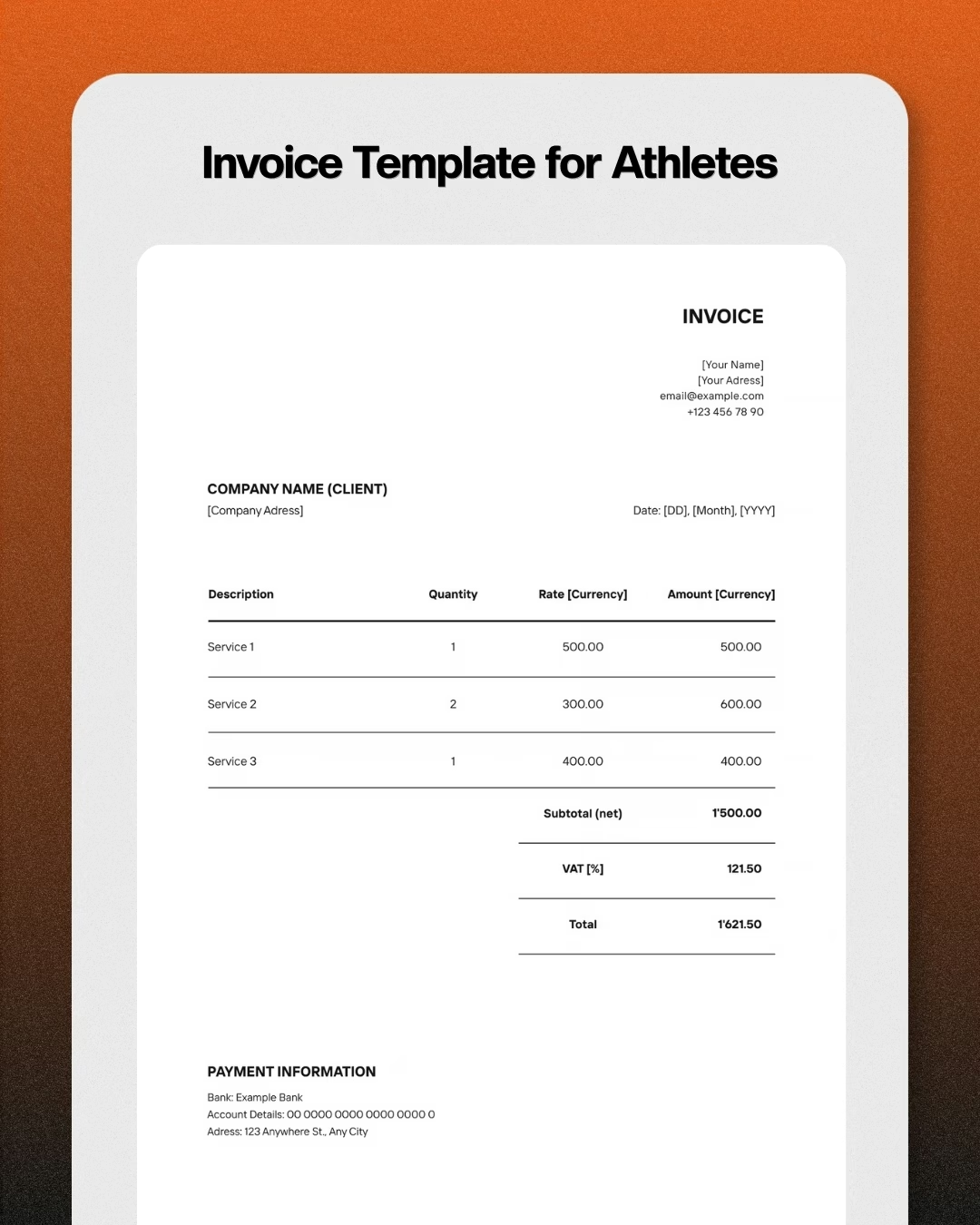
Invoice Template for Athletes
Sending invoices can be a very time consuming task and paying for expensive software to automate it makes little sense, especially for athletes. So I made an easy to use template for Canva.
Add your details, adjust the VAT if you need it and boom, ready to send:
Download Template here
How to leverage mental math when it comes to money
This one's a bit odd and you might already be doing it, but when you think about money, your bills or your budget in general, try aggressively rounding everything up to whole numbers.
Whole numbers are psychologically pleasing and you can use that to your advantage. Rounding up your expenses in your head is a great spending habit, because it keeps you from spending money on sh*t you don’t need.
To make it real: Say your rent is 1060. You set aside 1200 and the difference goes into your savings or investment account. Easy money!
That’s it, talk soon.
Jeremy
.svg)
